
For the past week, my science class has been doing a series of labs. They were all focused on demonstrating chemical and physical changes . For the first lab, we used a skinny green candle and a stout white candle. The green candle was textured, smooth and had a spiral on it the white candle was just smooth. There was no chemical changes present at this time.When our teacher lit the green candle, it started melting (a physical change). It started getting shorter and smaller. There was smoke and the candle was burning (both chemical changes).

In the second lab we did, it also involved a candle. We mixed vinegar and baking soda together, which created the gas carbon dioxide, Then we poured the gas over the flame that our teacher lit on the candle. The fire did not immediately go out because my group mate did not tilt the glass containing the carbon dioxide enough. But eventually, the flame went out because there wasn't enough oxygen.

The third lab that we did was with marshmallows. We used a small marshmallow, a large marshmallow, a stick and a bunsen burner. We ripped the small marshmallow in half and tasted it. It tasted sweet and soft. Then we burn
t the large marshmallow with the stick and the bunsen burner. Then we had to taste the burnt part. It tasted horrible, burnt and crispy. One person in my group said that it tasted good!

The fourth and final lab was also very "sweet". We dissolved sugar and the person in my lab that tasted it said that it was like Chinese Tea. Then we put sugar in a test tube and placed the test tube over the bunsen burner using tongs. The substance inside the test tube turned black and yellow smoke came out from the test tube. All in all, last week was extremely fun.
Sources
blogspot.com
www.slowtrav.com
http://i-cdn.apartmenttherapy.com/uimages/at/bakingsoda.jpg
http://www.myfreedomsmokes.com/product_images/l/884/marshmallows__51334_zoom.jpg


 The ironic fact is that these toxins might be used as pain-killers and disease fighters in the future! Animal venoms have been used as a blueprint for developing a number of new drugs, including those that treat heart disease and chronic pain. The reason why is because toxins are complicated.Toxins are so similar to good proteins that they cause serious problems by telling cells to do the wrong things in the wrong places at the wrong times. Scientists want to learn how toxins manage to accomplish this so they can turn it into a life-saver. After all, what can kill us can also save us — once we learn to control it.
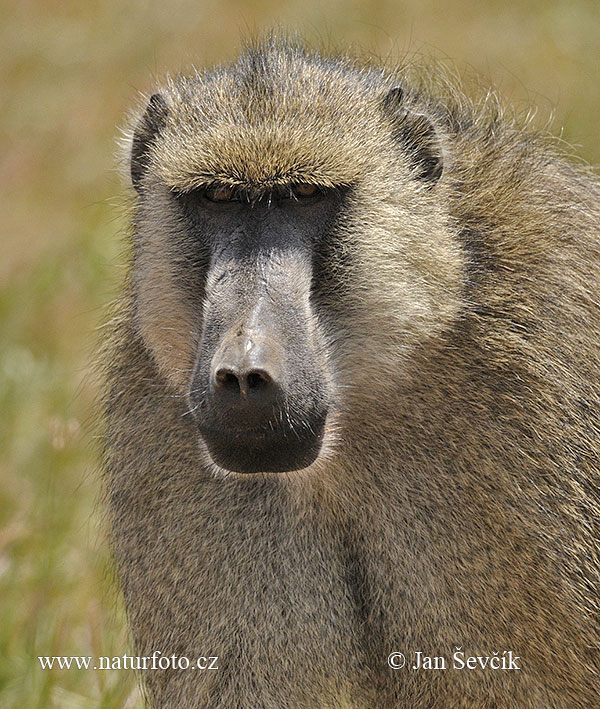

 I believe that this experiment was definitely good way to use our resources. It could help lead up to primates being able to read and write. Monkeys being able to read and write would be useful to our society because they would be able to express their feelings on a piece of paper. Therefore, they would be able to tell humans what they would like have to without humans having to guess. It might even lead us to see what goes on inside an animals mind! Sources:

 In the second lab we did, it also involved a candle. We mixed vinegar and baking soda together, which created the gas carbon dioxide, Then we poured the gas over the flame that our teacher lit on the candle. The fire did not immediately go out because my group mate did not tilt the glass containing the carbon dioxide enough. But eventually, the flame went out because there wasn't enough oxygen.
 The fourth and final lab was also very "sweet". We dissolved sugar and the person in my lab that tasted it said that it was like Chinese Tea. Then we put sugar in a test tube and placed the test tube over the bunsen burner using tongs. The substance inside the test tube turned black and yellow smoke came out from the test tube. All in all, last week was extremely fun.
 When I walked in side, I was about to say "What died in here" but I saw the frogs and thought better of it. My group got a boy frog to dissect but we still got too see the eggs. The frog had a liquid (which I later learned was preservatives) that kept on spilling out. The fat bodies were yellow and noodle-like, which was pretty cool to me but no one else in my group seemed to care. After removing the fat bodies, we saw the frog's organs, or what was left of them. You see, my group mates decided to cut open the frog in a completely rubbish manner. So some of the organs, like the liver , were damaged. The gallbladder was alright but it stained the liver green.
  I liked dissecting the frog and I can't wait to dissect more things later on!


